







Your brain is one of the most energy-demanding organs in your body. Despite weighing only about 3 pounds, it consumes 20–25% of your body’s total energy. This immense demand means your brain relies heavily on cellular health to function at its best. When brain cells (neurons and supporting glial cells) are strong, they process information efficiently, store memories, and regulate mood and focus. But when cellular function declines, the result can be brain fog, memory lapses, mood imbalances, and even neurodegenerative diseases over time.
In this article, we’ll explore how cellular health impacts brain performance, why it matters for long-term cognitive function, and what you can do to protect and optimize your brain cells.
How Cellular Health Drives Brain Function
Your brain’s 86 billion neurons communicate through trillions of connections (synapses). This intricate network depends on healthy, well-functioning cells. Four main cellular processes play a key role:
- Mitochondrial Energy Production: Brain cells need a steady supply of ATP, their energy currency. When mitochondria are sluggish, neurons struggle to send signals efficiently, contributing to mental fatigue and slower thinking.
- Cell Membrane Integrity: Healthy membranes, rich in omega-3 fatty acids, keep communication between neurons sharp and responsive. Damage to these membranes can impair focus and memory.
- Oxidative Stress and Inflammation: The brain is highly susceptible to oxidative damage because of its high oxygen use. Excess free radicals and chronic inflammation damage cellular structures, increasing the risk of cognitive decline.
- Cellular Repair and Neuroplasticity: The ability of brain cells to repair themselves and form new connections is key to learning, memory, and recovery from injury. Poor cellular repair slows this process.
The Link Between Cellular Dysfunction and Cognitive Decline
Over time, factors such as nutrient deficiencies, chronic stress, toxin exposure, poor sleep, and aging weaken brain cells. This can lead to:
- Brain fog (slowed processing speed, poor concentration)
- Memory issues (short-term and long-term)
- Mood disorders (anxiety, depression)
- Neurodegenerative diseases (Alzheimer’s, Parkinson’s, dementia)
Recent research suggests that cellular dysfunction—particularly mitochondrial decline and chronic inflammation—is a major driver of neurodegeneration, often appearing years before symptoms are noticeable.
Nutrients That Fuel Brain Cells
Feeding your brain at the cellular level helps maintain mental clarity and long-term cognitive resilience. Key nutrients include:
- Omega-3 Fatty Acids (DHA and EPA): Build and repair neuronal membranes.
- B Vitamins (B6, B12, Folate): Support neurotransmitter synthesis and methylation.
- CoQ10 and PQQ: Boost mitochondrial energy production and protect against oxidative stress.
- Magnesium: Critical for nerve signaling and synaptic plasticity.
- NAD+ Precursors (NMN, NR): Support DNA repair and energy generation.
- Antioxidants (Vitamin C, E, Glutathione, Polyphenols): Defend cells from free radical damage.
- Phosphatidylserine: Maintains healthy neuron structure and communication.
Lifestyle Habits to Protect Brain Cells
- Move Your Body: Exercise enhances blood flow, oxygen delivery, and mitochondrial health in brain cells.
- Prioritize Deep Sleep: Essential for cellular repair, toxin clearance, and memory consolidation.
- Eat a Mediterranean-Style Diet: Rich in healthy fats, antioxidants, and polyphenols that nourish neurons.
- Manage Stress: Chronic cortisol exposure damages brain cells and impairs synaptic connections.
- Avoid Environmental Toxins: Heavy metals, pesticides, and poor air quality impair cellular function in the brain.
- Stimulate Your Mind: Learning new skills strengthens neural pathways and cellular adaptability (neuroplasticity).
Cellular-Level Testing: A New Frontier in Brain Health
Functional medicine now allows us to evaluate brain health at the cellular level using tests for:
- Mitochondrial function and oxidative stress markers
- Inflammation levels (CRP, cytokine activity)
- Micronutrient deficiencies affecting brain cells
- Toxin exposure (heavy metals, mold mycotoxins)
This precision approach helps tailor nutrition, supplementation, and lifestyle changes to restore optimal cellular function and protect long-term brain health.
Key Takeaway
Your brain’s performance and resilience depend on the vitality of its individual cells. By supporting energy production, reducing oxidative stress, and optimizing cellular repair, you can boost focus, memory, mood, and long-term cognitive health. True brain wellness begins at the cellular level—and it’s never too early to start protecting your most important organ.
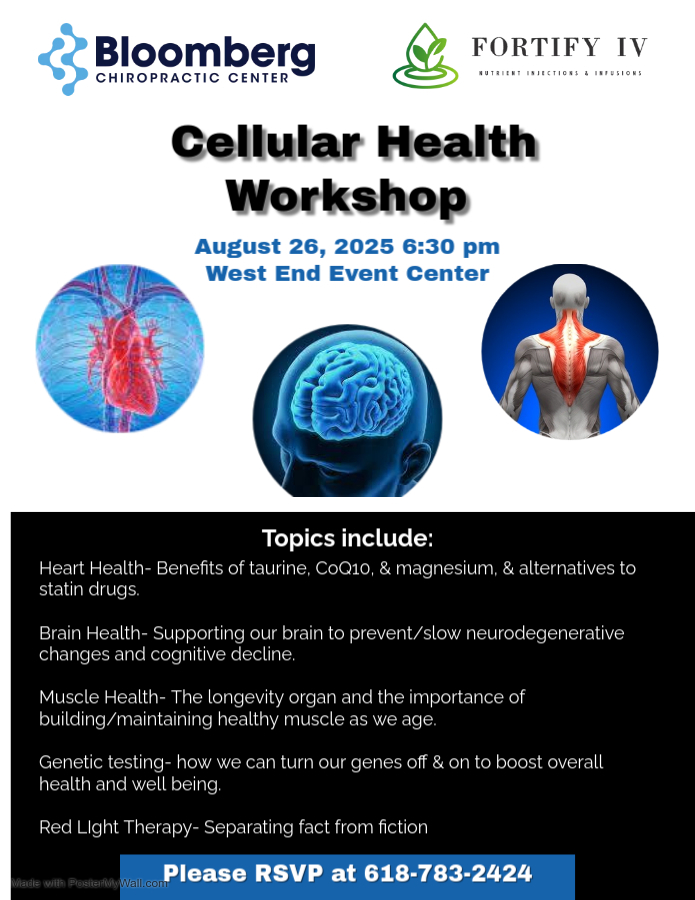
Join us on Tuesday, August 26 for our Cellular Health Workshop. This event is free to the public and will be held at West End Events Center beginning at 6:30PM. RSVP at 618-783-2424.