Cellular Health and Your Heart: The Key to
Long-Lasting Cardiovascular Wellness
When it comes to heart health, most people think about cholesterol levels, blood pressure, or
exercise habits. While these factors are important, the foundation of cardiovascular wellness
begins at a much deeper level—the health of your cells. Each beat of your heart, every electrical
signal that tells it to contract, and every repair process that keeps it functioning depend on
optimal cellular function.
In this article, we’ll explore how cellular health impacts your heart and the science-backed
strategies you can use to support it.









Why Cellular Health Matters for the Heart
Your heart is a high-energy organ. It beats about 100,000 times per day, requiring constant fuel
and efficient communication between billions of cardiac cells. When these cells are healthy, your
heart works like a finely tuned engine. But when they’re under stress—due to nutrient
deficiencies, toxins, inflammation, or aging—the result can be cellular dysfunction, setting the
stage for cardiovascular disease.
Key cellular processes that influence heart health include:
● Mitochondrial Function: Mitochondria are your cells’ power plants, converting nutrients
into ATP (energy). Dysfunctional mitochondria can lead to heart muscle fatigue, poor
contractility, and even heart failure.
● Oxidative Stress and Free Radical Damage: Excess oxidative stress damages DNA,
proteins, and cell membranes, accelerating heart aging and plaque buildup.
● Cellular Signaling and Communication: Healthy cells respond quickly to electrical
impulses, keeping your heartbeat stable. Damaged cells disrupt this rhythm, leading to
arrhythmias or irregular heartbeats.
● Cellular Repair and Regeneration: Your heart relies on ongoing repair to stay strong.
Poor cellular resilience slows healing after injury or inflammation.
The Role of Inflammation in Cellular Heart Damage
Chronic, low-grade inflammation is a major driver of cellular damage in the cardiovascular
system. It disrupts normal signaling, injures blood vessel walls, and makes cells more
susceptible to plaque buildup and stiffening. Research shows that cellular inflammation is a
better predictor of future heart problems than cholesterol alone, which is why advanced testing
(such as ApoB or hs-CRP this is something we do regularly at Bloomberg Chiropractic Center )
is becoming increasingly important in cardiovascular care.
Nutrients and Compounds that Support Heart Cells
Certain nutrients directly fuel and protect heart cells:
● Coenzyme Q10 (CoQ10): Critical for mitochondrial energy production; often depleted in
people taking statins.
● Magnesium: Supports electrical signaling and muscle relaxation of the heart.
● Omega-3 Fatty Acids: Reduce inflammation and improve cell membrane flexibility.
● L-Carnitine: Helps transport fatty acids into mitochondria for energy.
● NAD+ Precursors (like NMN or NR): Support energy production and cellular repair.
● Antioxidants (Vitamin C, Vitamin E, Glutathione): Protect heart cells from free radical
damage.
Lifestyle Habits That Improve Cellular Heart Health
- Exercise Regularly: Physical activity enhances mitochondrial number and efficiency,
improving your heart’s energy supply. - Prioritize Quality Sleep: Cellular repair happens most efficiently during deep sleep
cycles. - Eat a Nutrient-Dense Diet: Whole foods rich in antioxidants, fiber, and healthy fats
protect and fuel heart cells. - Manage Stress: Chronic stress damages cellular structures via cortisol and oxidative
stress. - Avoid Toxins: Excessive alcohol, smoking, and environmental pollutants impair
mitochondrial and endothelial cell function.
The Future of Heart Health: Cellular Testing and Precision
Medicine
Functional medicine and advanced cardiovascular testing now allow us to assess heart health
at the cellular level. Tools like ApoB blood testing, oxidative stress markers, mitochondrial
function panels, and nutrient testing can reveal hidden cellular imbalances long before major
heart issues arise.
By focusing on cellular optimization—not just symptom management—you can strengthen your
heart from the inside out, improving not only lifespan but healthspan.
Key Takeaway
Your heart’s health depends on the well-being of trillions of individual cells. Supporting these
cells with proper nutrition, lifestyle choices, and advanced testing is one of the most powerful
ways to protect your cardiovascular system for decades to come.
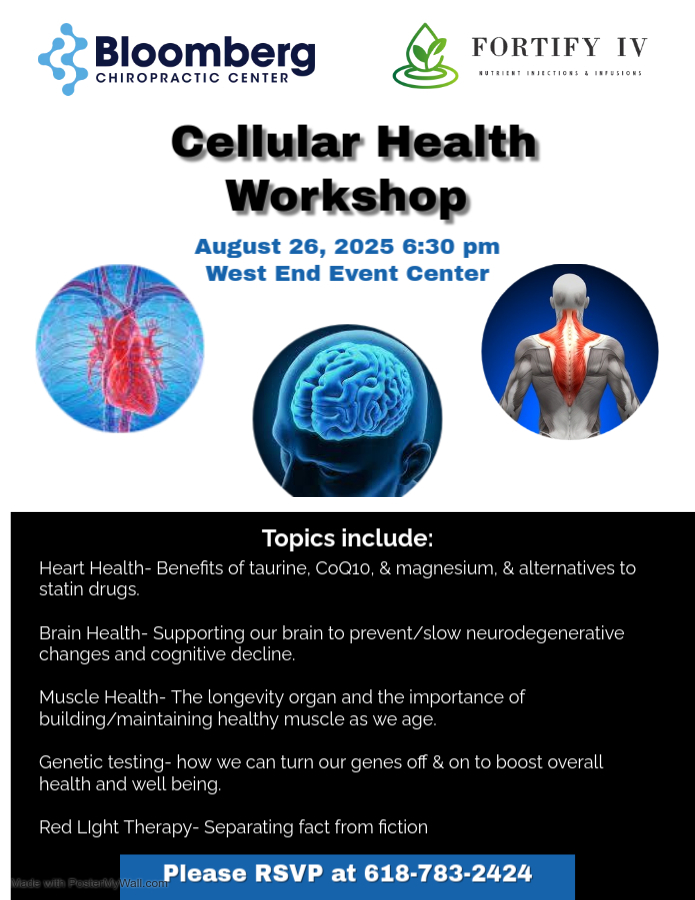
If you want more information on this topic make plans now to attend our upcoming Cellular
Health Workshop. This event is free to the public and will be held at West End Event Center on
Tuesday, August 26 at 6:30PM.