When someone is diagnosed with iron deficiency anemia, the typical response is simple:









“Take iron.” But here’s the problem…Not all iron supplements are created equal—and some are far better than others. In fact, the wrong form of iron is one of the biggest reasons patients fail treatment. Let’s walk through this from the worst options to the best, so you can make smarter decisions for yourself or your patients.
The Worst: Ferrous Sulfate
This is the most commonly prescribed iron—and often the least tolerated.
Why it falls short:
- Poor absorption in many patients
- Highly irritating to the gastrointestinal tract
- Common side effects:
- Constipation
- Nausea
- Bloating
- Often leads to poor compliance (patients simply stop taking it)
From a clinical standpoint, this is the “default” option—not the optimal one. Many patients think iron doesn’t work…when in reality, this form doesn’t work for them.
Better, But Still Not Ideal: Ferrous Gluconate & Ferrous Fumarate
These are alternative iron salts that are slightly easier on the gut.
Pros:
- Somewhat improved tolerability
- Moderate absorption
Cons:
- Still frequently cause GI side effects
- Absorption still depends heavily on gut function
- Not ideal for patients with inflammation or digestive issues
These can work—but they’re rarely the best long-term solution.
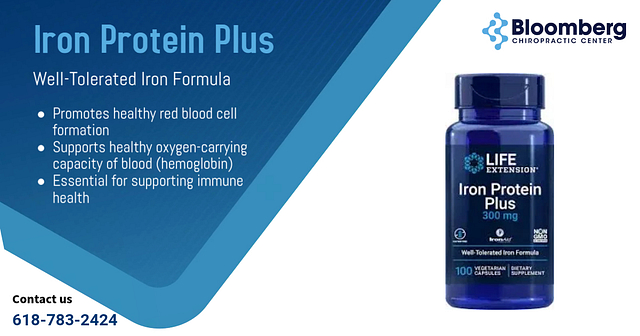
Second Best: Iron Bisglycinate (Chelated Iron)
Now we move into functional, patient-friendly iron. Iron bisglycinate is bound to an amino acid (glycine), allowing it to be absorbed through a different, more efficient pathway.
Why it stands out:
- Significantly better absorption
- Much gentler on the digestive system
- Lower rates of constipation and nausea
- More consistent results in real-world patients
This is often the go-to choice in functional and integrative medicine. If a patient has “failed iron,” this is usually where we go next—and often succeed.
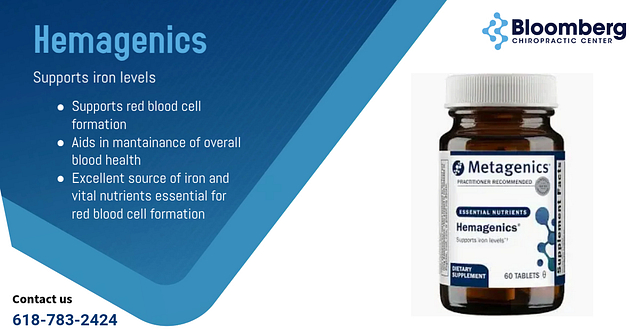
Best: Heme Iron
This is the form of iron found naturally in animal foods (like red meat), and it is the most bioavailable form available in supplement form.
Why it’s the gold standard:
- Highest absorption rate
- Absorption is less dependent on gut health
- Minimal gastrointestinal side effects
- Not significantly blocked by common dietary inhibitors
This makes it especially valuable for:
- Patients with gut dysfunction
- Chronic anemia that hasn’t responded to other forms
- Individuals who cannot tolerate standard iron
The trade-offs:
- More expensive
- Not suitable for vegetarians/vegans
- Fewer available products
Why This Matters Clinically
Most iron protocols fail for one of three reasons:
- The wrong form of iron
- Poor absorption (gut issues, low stomach acid)
- Failure to address the root cause
Simply increasing the dose of a poorly absorbed iron rarely works—and often worsens side effects.
Absorption Still Matters
Even with better forms, timing and environment matter.
To improve results:
- Take iron with Vitamin C
- Avoid taking it with:
- Coffee
- Tea
- Calcium
- Consider stomach acid support if needed
- Address gut inflammation when present
Don’t Miss the Root Cause
Iron deficiency is not just a lab value—it’s a signal.
Common underlying drivers:
- Heavy menstrual bleeding
- Gastrointestinal blood loss
- Low dietary intake
- Malabsorption
- Chronic inflammation
If you don’t identify and correct the cause, the anemia will return.
The Bottom Line
If you remember nothing else, remember this:
- Worst: Ferrous sulfate
- Better: Ferrous gluconate / fumarate
- Second best: Iron bisglycinate
- Best: Heme iron
Choosing the right form can mean the difference between:
- Frustration…or results
- Side effects…or compliance
- Temporary improvement…or true correction
Need more information? Call Bloomberg Chiropractic Center 618-783-2424